


Quartz vs Automatic Watches: What's the Difference?
Discover the key differences between quartz and automatic watches, including accuracy, maintenance, cost and which movement is best for your lifestyle.
.jpg)


Quartz vs Automatic Watches: What's the Difference?
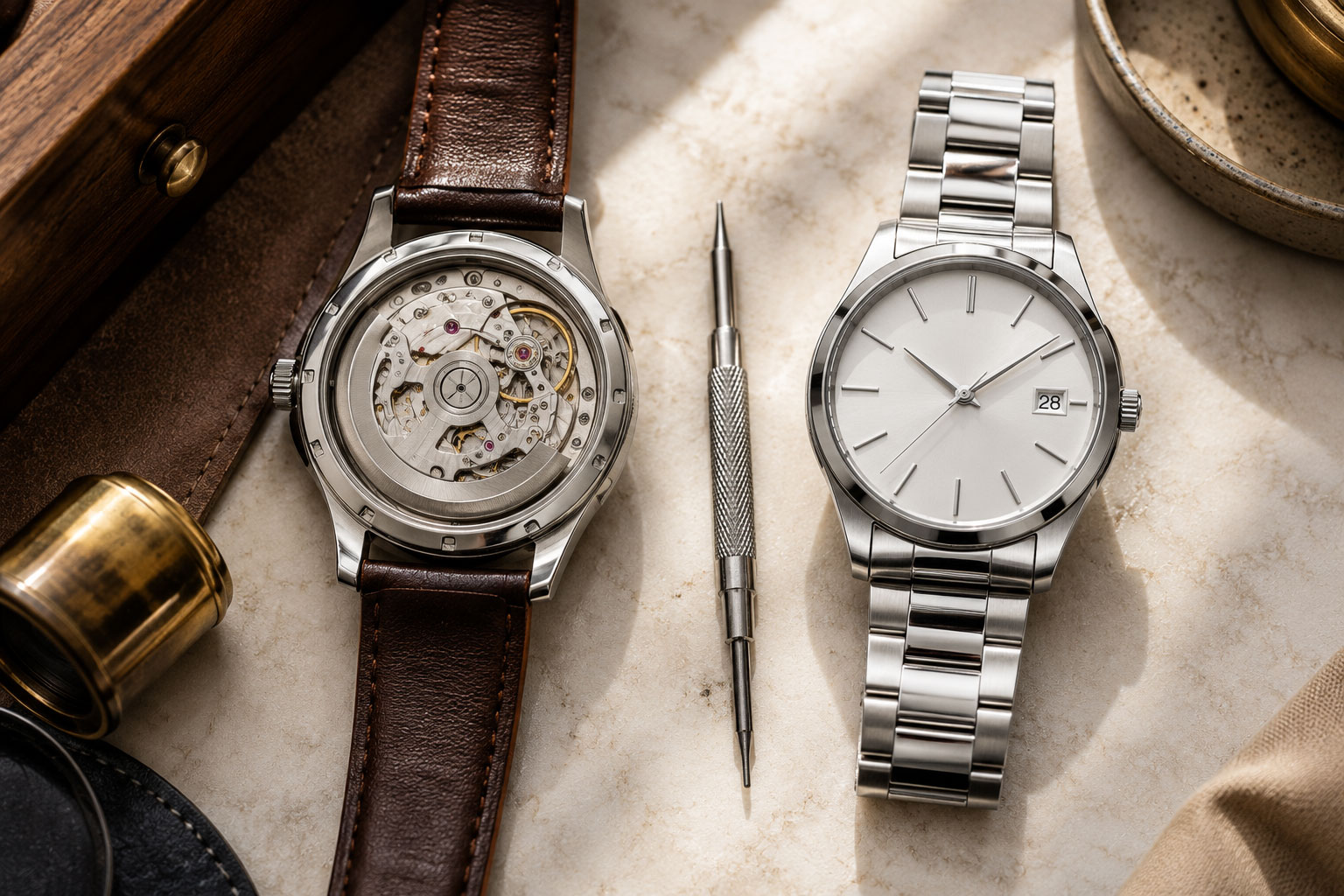
If you've started researching watches, you've probably come across the terms quartz and automatic. While both types of watches perform the same basic function—telling the time—they operate in very different ways.
Understanding the differences between quartz and automatic watches can help you choose a timepiece that suits your lifestyle, budget and personal preferences.
Some people appreciate the precision and convenience of quartz watches, while others are drawn to the craftsmanship and heritage of automatic movements. Neither option is inherently better than the other; each has its own strengths and appeal.
In this guide, we'll explain how quartz and automatic watches work, compare their advantages and disadvantages, and help you decide which type is right for you.
What Is a Quartz Watch?
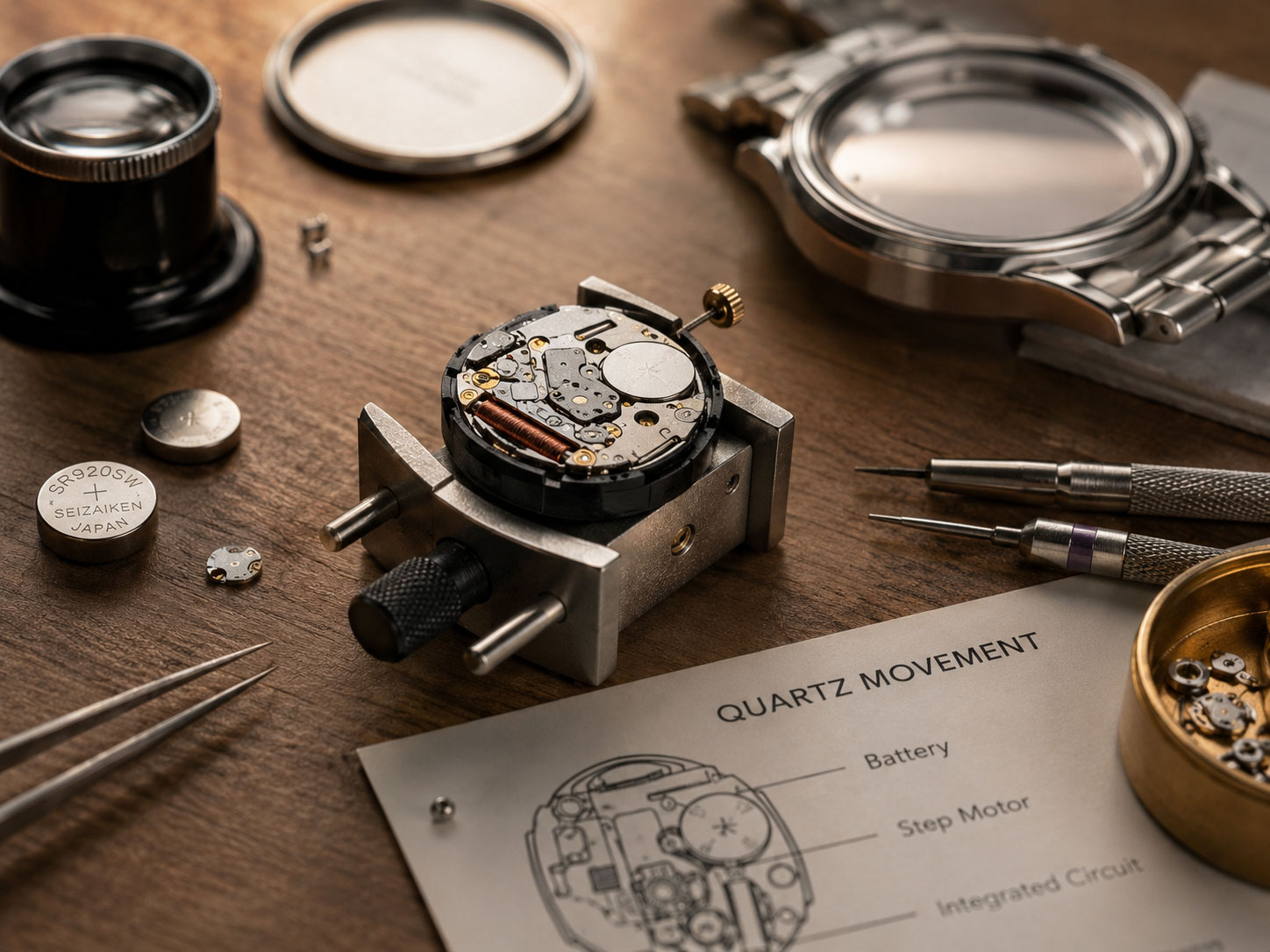
A quartz watch is powered by a battery.
Inside the watch is a small piece of quartz crystal. When electricity from the battery passes through the crystal, it vibrates at an incredibly consistent frequency. These vibrations are used to regulate the movement of the watch hands, creating highly accurate timekeeping.
Quartz technology revolutionised the watch industry when it became widely available in the 1970s. It allowed manufacturers to produce reliable, affordable and highly accurate watches on a large scale.
Today, quartz movements are found in many of the world's most popular watches, from everyday fashion watches to professional sports models.
What Is an Automatic Watch?
An automatic watch is a type of mechanical watch that is powered by movement rather than a battery.
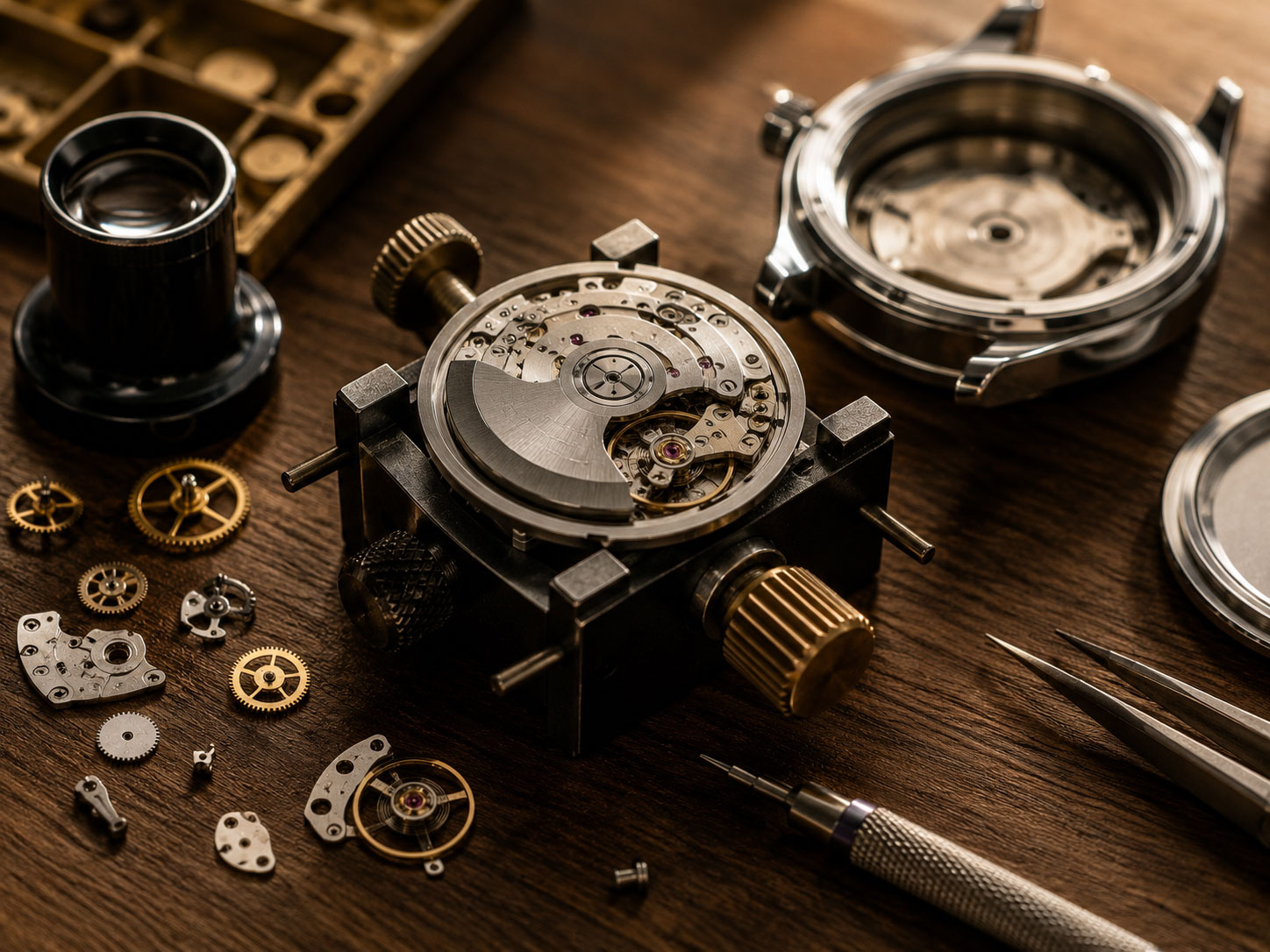
Inside the case is a complex system of gears, springs and mechanical components. As you wear the watch, a weighted rotor moves with your wrist and winds the mainspring. The stored energy in the mainspring powers the watch.
Because automatic watches rely on mechanical engineering rather than electronic components, they are often admired for their craftsmanship and traditional watchmaking heritage.
Many watch enthusiasts enjoy the idea of wearing a miniature mechanical machine that operates entirely through precision engineering.
Accuracy: Which Is Better?
When it comes to pure accuracy, quartz watches are the clear winner.
Most quartz watches lose or gain only a few seconds per month.
Automatic watches, on the other hand, typically gain or lose several seconds per day depending on the movement and how the watch is worn.
This difference occurs because mechanical movements are influenced by factors such as:
- Temperature
- Positioning
- Wear patterns
- Mechanical tolerances
- Shock and vibration
For someone who wants a watch that simply keeps accurate time with minimal effort, quartz is usually the better choice.
Maintenance Requirements
One of the biggest differences between quartz and automatic watches is maintenance.
Quartz Watches
Quartz watches require very little maintenance.
In most cases, the only routine requirement is replacing the battery every few years.
Modern quartz movements are designed to be durable, reliable and easy to own.
Automatic Watches
Automatic watches require more attention.
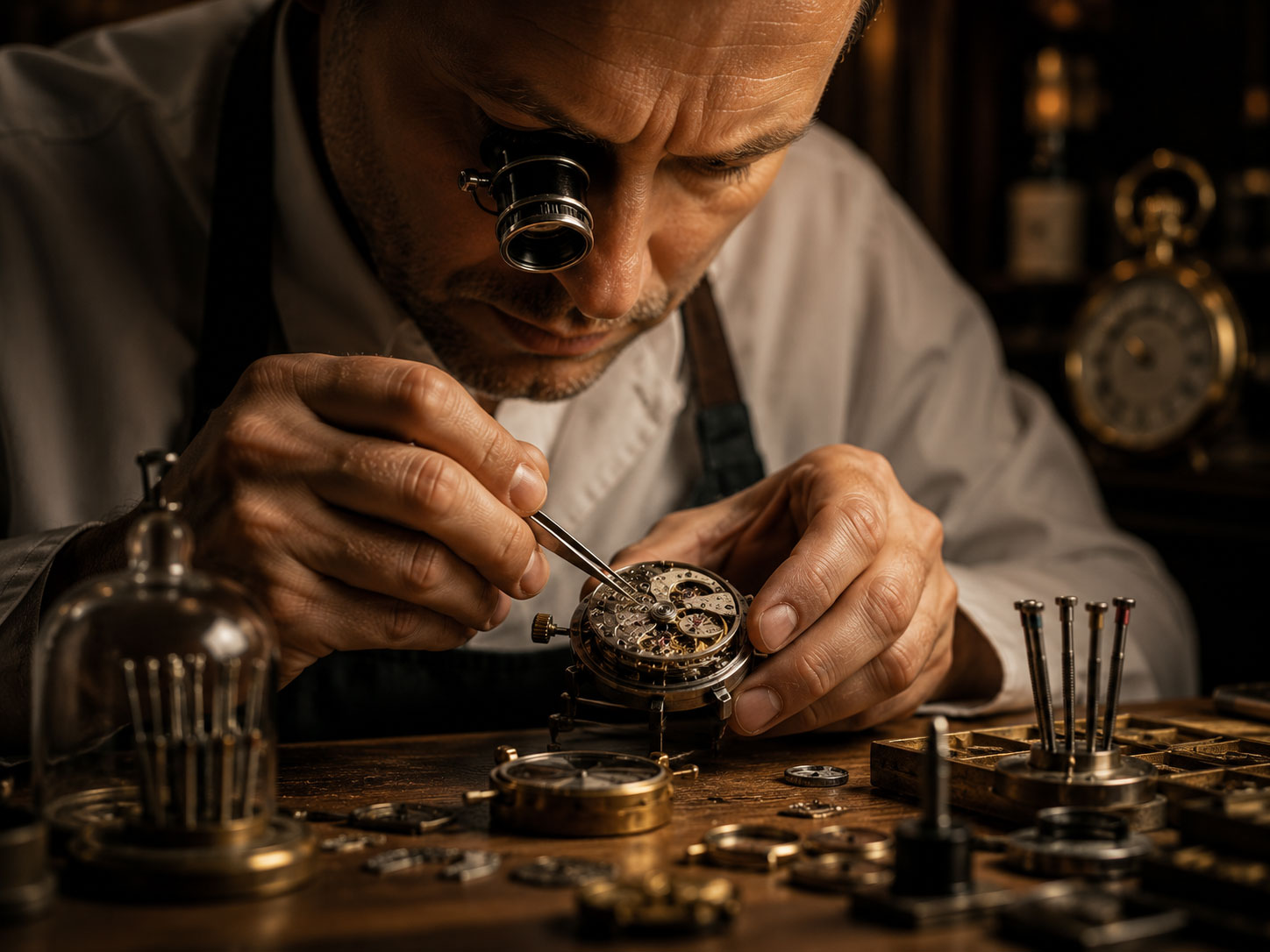
Because they contain numerous moving parts, they benefit from periodic servicing to ensure optimal performance.
An automatic watch that isn't worn regularly may also stop running and need to be reset before use.
For many enthusiasts, this extra involvement is part of the appeal. For others, it can be inconvenient.
Convenience and Everyday Use
Quartz watches are often considered the most practical choice for everyday wear.
Advantages include:
- Extremely accurate timekeeping
- Low maintenance
- Lightweight construction
- Affordable ownership costs
- No need for winding
Simply put on the watch and go.
Automatic watches require a little more interaction.
If left unworn for several days, they may stop running and need to be reset. Some owners use watch winders to keep automatic watches running when not being worn.
If convenience is your top priority, quartz is difficult to beat.
Craftsmanship and Engineering
This is where automatic watches often stand out.
Many watch collectors appreciate the intricate engineering involved in a mechanical movement.
Some automatic watches contain over one hundred individual components working together in perfect harmony.
The movement itself is often visible through a transparent case back, allowing the wearer to admire the craftsmanship inside.
For many enthusiasts, an automatic watch represents traditional watchmaking at its finest.
Quartz watches may be more practical, but they rarely inspire the same emotional connection.
Price Differences
Quartz watches are generally more affordable than automatic watches.
Because quartz movements are simpler to manufacture and assemble, brands can produce them at lower cost.
This allows buyers to access stylish and reliable watches without a significant investment.
Automatic watches usually command higher prices due to:
- More complex movements
- Additional components
- Greater assembly requirements
- Traditional craftsmanship
However, both quartz and automatic watches are available across a wide range of price points.
Battery Life vs Power Reserve
A quartz watch uses a battery that typically lasts between two and five years before replacement is required.
An automatic watch stores energy in its mainspring.
Most automatic watches have a power reserve of around 40 to 80 hours, meaning they can continue running for several days after being removed from the wrist.
If the power reserve runs out, the watch stops until it is rewound or worn again.
Durability and Reliability
Quartz watches are often more resistant to everyday shocks and impacts.
Their simpler construction and fewer moving parts make them highly dependable for daily use.
Automatic watches are generally durable as well, but their complex internal mechanisms can be more sensitive to severe impacts.
For active lifestyles or demanding environments, quartz watches are often the preferred option.
Why Do Watch Enthusiasts Love Automatic Watches?
Despite being less accurate and requiring more maintenance, automatic watches remain extremely popular.
The reason is simple: passion.
Many enthusiasts appreciate:
- Traditional watchmaking heritage
- Mechanical engineering
- Smooth sweeping second hands
- Complex movement construction
- Collectability
- The experience of ownership
An automatic watch is often viewed as more than a tool for telling time. It becomes a piece of craftsmanship that can be enjoyed for years or even passed down through generations.
Why Quartz Watches Remain So Popular
Quartz watches continue to dominate the global watch market for good reason.
They offer:
- Excellent accuracy
- Affordable pricing
- Low maintenance
- Reliability
- Convenience
For many people, these practical benefits outweigh the romantic appeal of a mechanical movement.
This is particularly true for fashion watches and everyday timepieces designed to provide effortless wear.
Which Type of Watch Should You Choose?
The answer depends entirely on what you value most.
A quartz watch may be the right choice if you:
- Want maximum accuracy
- Prefer low maintenance
- Need an everyday watch
- Want excellent value for money
- Don't want to worry about winding or servicing
An automatic watch may be the right choice if you:
- Appreciate traditional craftsmanship
- Enjoy mechanical engineering
- Like collecting watches
- Want a more enthusiast-focused experience
- Value heritage and watchmaking history
Neither choice is wrong.
Many watch collectors own both quartz and automatic watches because each offers a unique ownership experience.
Final Thoughts
Quartz and automatic watches each have their own strengths.
Quartz watches deliver exceptional accuracy, affordability and convenience, making them ideal for everyday wear. Automatic watches offer craftsmanship, engineering and heritage that continue to captivate watch enthusiasts around the world.
When choosing between the two, consider what matters most to you. If you want a watch that is accurate, reliable and easy to own, quartz is likely the best option. If you're drawn to the artistry and tradition of mechanical watchmaking, an automatic watch may be the perfect choice.
Whichever movement you choose, the most important thing is finding a watch that suits your lifestyle, reflects your personal style and brings you enjoyment every time you wear it.