


What Does Water Resistance Mean on a Watch?
Confused by watch water resistance ratings? Learn what 30m, 50m, 100m and 200m really mean and how to choose the right watch.
.jpg)


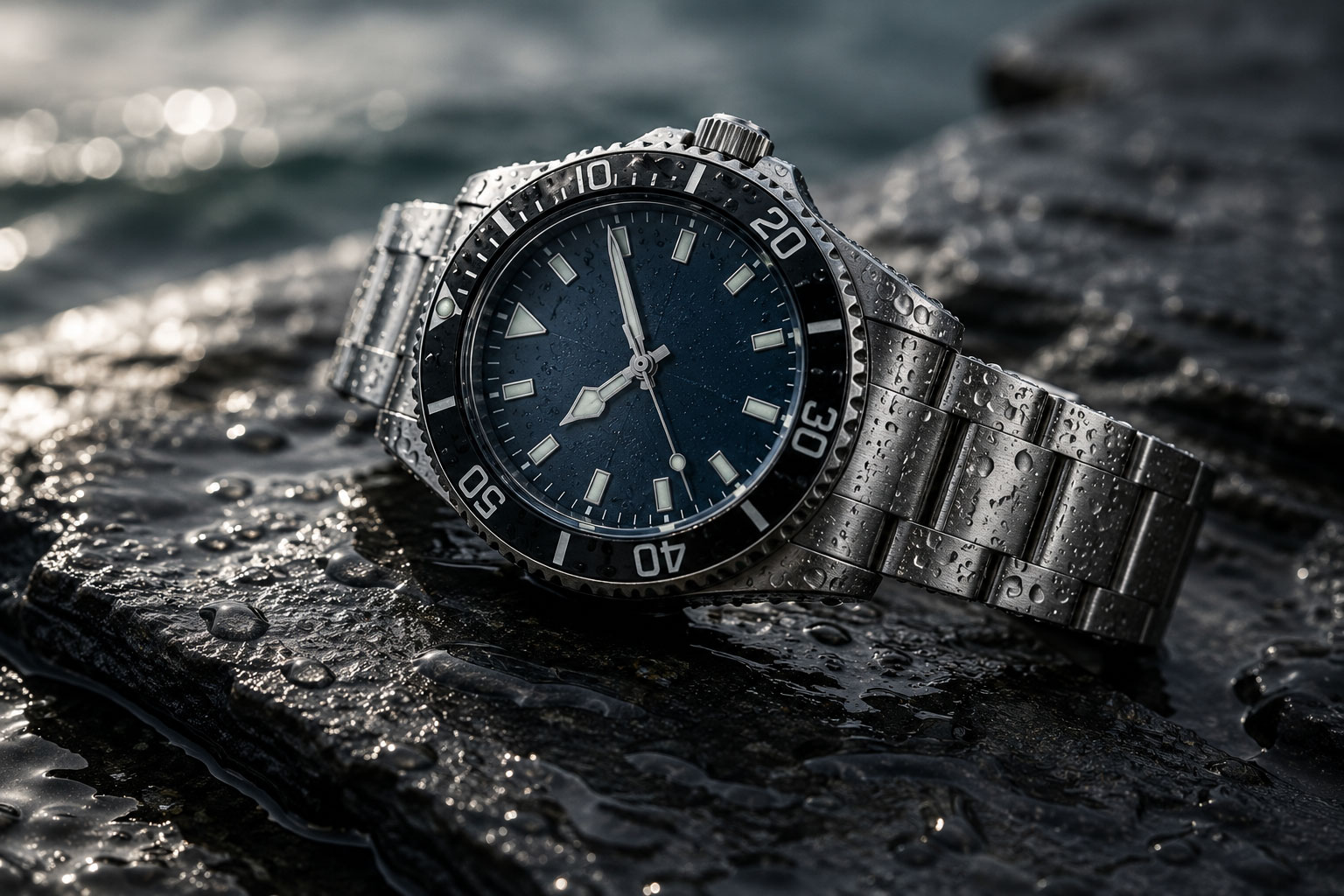
What Does Water Resistance Mean on a Watch?
When shopping for a watch, you'll often see terms such as 30m water resistant, 50m water resistant, or 100m water resistant listed in the specifications. While these ratings appear straightforward, they are also one of the most misunderstood aspects of watch ownership.
Many people assume that a watch labelled "30m water resistant" can safely be worn while swimming 30 metres underwater. In reality, that's not what the rating means at all.
Understanding water resistance ratings can help you choose the right watch for your lifestyle and avoid accidental damage caused by exposing a watch to more water than it was designed to handle.
In this guide, we'll explain how watch water resistance works, what common ratings mean, and which watches are suitable for activities such as hand washing, showering, swimming and water sports.
What Is Water Resistance?
Water resistance refers to a watch's ability to withstand moisture and water exposure under specific testing conditions.
Modern watches use a combination of seals, gaskets and case construction to prevent water from entering the movement. These protective components create barriers around vulnerable areas such as the crown, case back and crystal.
However, no watch is completely immune to water forever. Over time, seals can wear down and water resistance can decrease, particularly if the watch experiences impacts, temperature changes or ageing components.
This is why manufacturers describe watches as water resistant rather than waterproof.
Water Resistant vs Waterproof
The terms "water resistant" and "waterproof" are often used interchangeably, but they are not the same.
In fact, most watch manufacturers avoid using the word waterproof altogether.
No watch can be guaranteed to remain completely impervious to water under every possible condition. Ageing seals, accidental damage and changes in pressure can all affect performance over time.
As a result, water resistance ratings provide a more realistic indication of a watch's capabilities.
Understanding Water Resistance Ratings
Water resistance ratings are usually displayed in metres (m), atmospheres (ATM) or bars.
For example, you may see:
- 30m
- 50m
- 100m
- 200m
- 3 ATM
- 5 ATM
- 10 ATM
These ratings are based on controlled laboratory testing rather than real-world usage.
This is where confusion often arises.
A watch tested to 30 metres of pressure is not necessarily suitable for swimming at a depth of 30 metres.
Instead, the rating indicates the level of pressure the watch was able to withstand during testing.
What Does 30m Water Resistance Mean?
A 30m water resistance rating is generally suitable for:
- Everyday wear
- Light rain
- Hand washing
- Minor splashes
It is not usually recommended for:
- Swimming
- Showering
- Bathing
- Water sports
Many fashion watches fall into this category and are designed primarily for daily wear rather than prolonged water exposure.
If your watch has a 30m rating, it's best to keep it away from significant contact with water whenever possible.
What Does 50m Water Resistance Mean?
A 50m water resistance rating offers slightly greater protection.
Suitable activities typically include:
- Hand washing
- Rain exposure
- Occasional splashes
- Light recreational water use
However, many manufacturers still recommend avoiding extended swimming or diving activities with a 50m-rated watch.
While it provides more protection than a 30m model, it is generally considered an everyday-use rating rather than a dedicated swimming watch.
What Does 100m Water Resistance Mean?
A 100m water resistance rating is where watches become much more versatile.
A 100m watch is generally suitable for:
- Swimming
- Pool use
- Snorkelling
- Water-based activities
Many sports watches and dive-inspired designs offer 100m water resistance because it provides an excellent balance between everyday practicality and recreational water use.
For most people, a 100m-rated watch offers more than enough protection for normal daily activities.
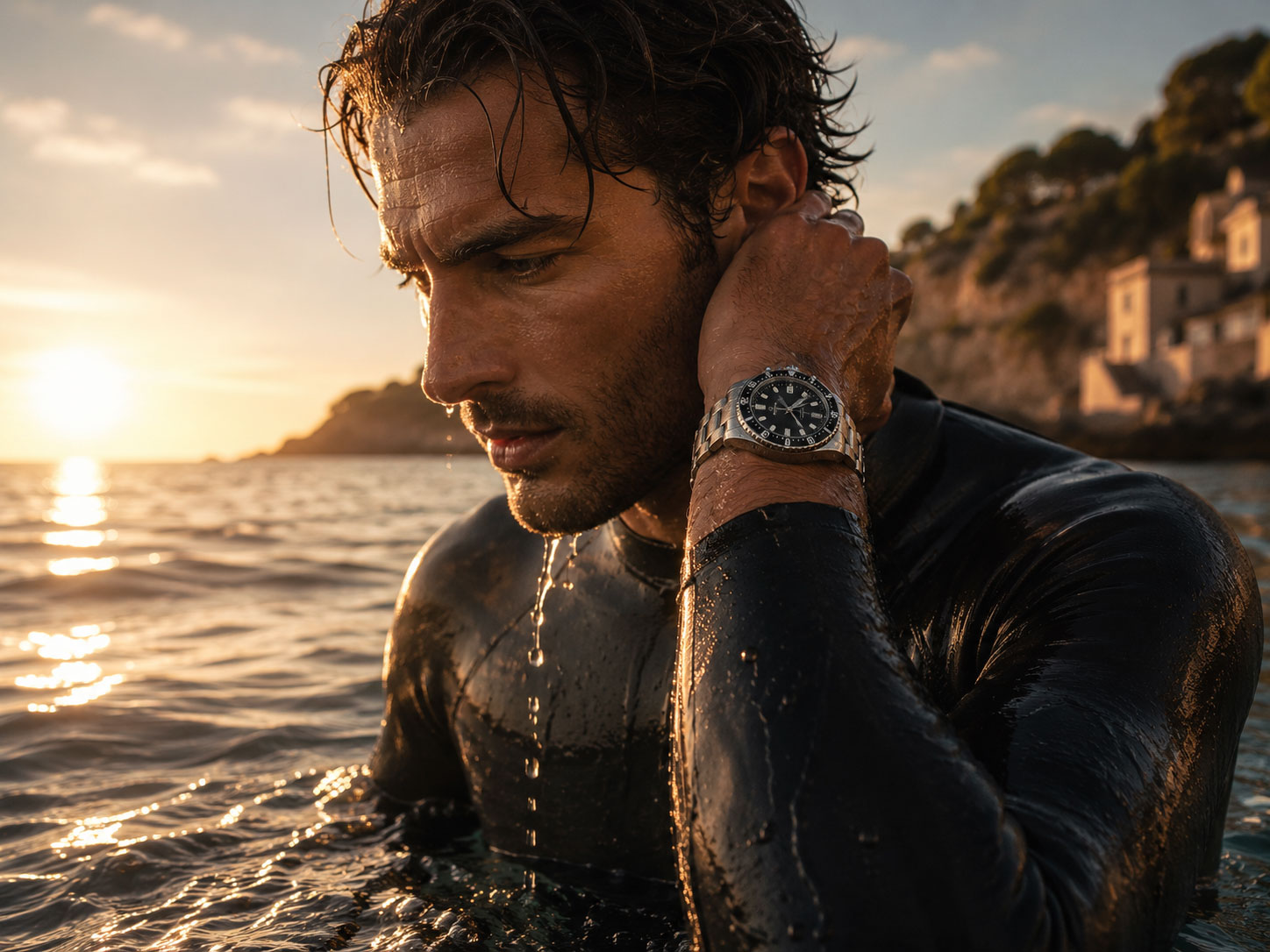
What Does 200m Water Resistance Mean?
A 200m water resistance rating is commonly found on professional dive watches.
These watches are typically suitable for:
- Swimming
- Snorkelling
- Recreational diving
- Water sports
They often feature additional protective features such as:
- Screw-down crowns
- Reinforced seals
- Robust case construction
- Enhanced durability
For anyone who spends significant time around water, a 200m-rated watch provides an excellent level of confidence.
Can You Shower With a Water Resistant Watch?
This is one of the most frequently asked questions among watch owners.
Even if a watch has a water resistance rating, many manufacturers recommend avoiding regular shower use.
The reason isn't necessarily the water itself.
Hot water, steam, soap and shampoo can all place additional stress on the seals that protect the movement.
Repeated exposure to these conditions may shorten the lifespan of the gaskets and increase the risk of moisture entering the case.
For this reason, removing your watch before showering is often the safest approach.
Can You Swim With a Water Resistant Watch?
Whether a watch is suitable for swimming depends on its rating.
As a general guideline:
- 30m: Not recommended
- 50m: Generally not recommended for prolonged swimming
- 100m: Suitable for swimming
- 200m+: Suitable for swimming and water sports
Always refer to the manufacturer's recommendations for your specific model.
Why Water Resistance Changes Over Time
Many people assume that a water resistance rating lasts forever.
Unfortunately, that's not always the case.
Several factors can affect a watch's ability to resist water over time:
- Ageing seals
- Physical impacts
- Extreme temperatures
- Crown damage
- Case wear
- Battery replacements
Every time a watch is opened for servicing or a battery change, the water resistance should ideally be checked and tested.
This helps ensure the seals continue to perform correctly.
Tips for Protecting Your Watch
Regardless of its water resistance rating, there are several simple steps you can take to protect your watch.
Avoid pressing buttons underwater
On chronograph watches, pressing pushers underwater can create a path for water to enter the case.
Ensure the crown is fully secured
If your watch has a screw-down crown, always ensure it is tightened correctly before exposing the watch to water.
Rinse after saltwater exposure
Saltwater can be harsh on watch components. Rinsing the watch with fresh water afterwards can help maintain its condition.
Avoid sudden temperature changes
Moving rapidly between hot and cold environments can affect seals and create condensation risks.
Service your watch regularly
Routine maintenance helps ensure water resistance remains effective throughout the life of the watch.
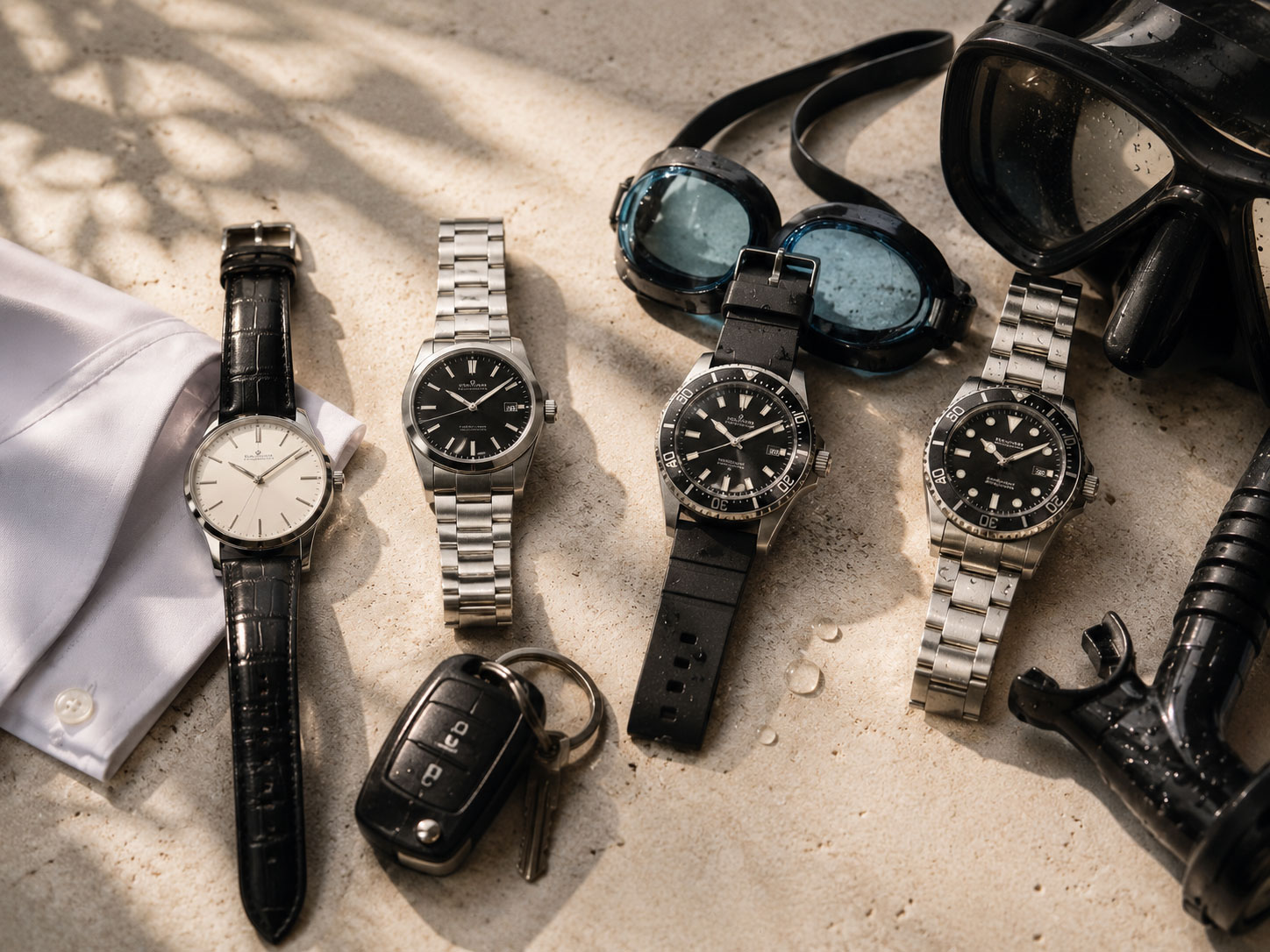
Choosing the Right Water Resistance Rating
The best water resistance rating depends on how you plan to wear your watch.
For everyday office and casual wear, 30m or 50m may be perfectly adequate.
For active lifestyles involving swimming or regular water exposure, a 100m-rated watch is often the better choice.
Those who participate in water sports or simply want maximum peace of mind may prefer a watch with 200m water resistance or higher.
Final Thoughts
Water resistance ratings can seem confusing at first, but understanding them is essential when choosing a watch.
While 30m, 50m, 100m and 200m ratings are often mistaken for actual diving depths, they are really indicators of the pressure a watch can withstand under controlled testing conditions.
For most people, a 100m water resistance rating provides an excellent combination of versatility and everyday practicality. However, the ideal rating will always depend on your lifestyle and how you plan to use your watch.
By understanding what water resistance ratings really mean, you'll be able to choose a watch with confidence and help ensure it remains protected for years to come.